
Editorial Board
Editor-in-Chief

Editor-in-Chief
Dr. Adrian Palmer
Chief Medical Officer, Vitro Molecular Laboratories, USA
Dr. Adrian Padurean Palmer is a physician based out of Fort Myers, Florida and his medical specialization is Pathology - Anatomic Pathology & Clinical Pathology. He practices in Fort Myers, Florida and has the professional credentials of M.D.. The NPI Number for Dr. Adrian Padurean Palmer is 1134107857 and he holds a License No. 47298 (Wisconsin).
More than 18 years’ experience in community and academic hospitals and health care systems including over ten years as director of hematology laboratories for the second largest healthcare system in Southeast Wisconsin, and medical director and hematopathologist with one of the largest cancer focused reference laboratory in the country. More than six years in hospital functions as member of credentialing committee, internal medicine committee, and electronic medical records implementation committee. Graduated from an MBA program in Healthcare Management at Loyola University Chicago. Currently Chief of Pathology and Fresno VA Medical Center.
Section Editors

Associate Editor
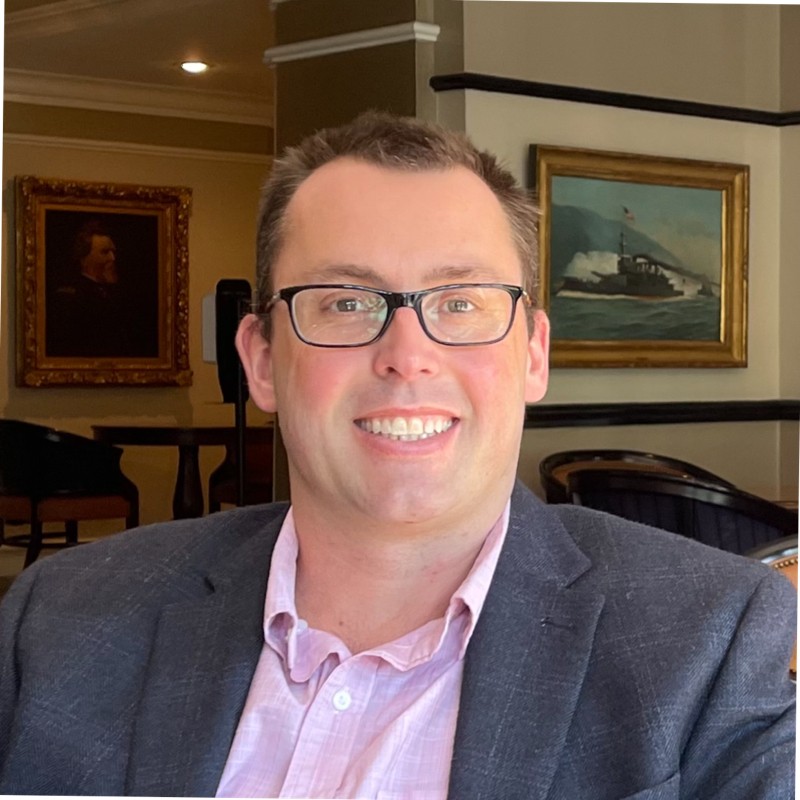
Associate Professor. Sherein Salem
Associate Professor of Anatomic Pathology, Department of Pathobiology, College of Veterinary Medicine, Tuskegee University, USA
Dr. Sherein Salem is an Associate Professor of Anatomic Pathology in the Department of Pathobiology at Tuskegee University College of Veterinary Medicine, USA. She has approximately 30 years of academic experience in veterinary pathology, teaching, research, and diagnostic pathology, including her previous appointment as a Professor at Cairo University, Egypt.
Her expertise includes anatomic and experimental pathology, histopathology, infectious and inflammatory diseases, and comparative pathology. Her research interests include tissue injury, disease mechanisms, and the integration of digital pathology and artificial intelligence into veterinary education and diagnostic applications.
Dr. Salem is actively involved in collaborative research, scientific publishing, and veterinary education. She also contributes to editorial and peer-review activities for international scientific journals.
Founding Editor
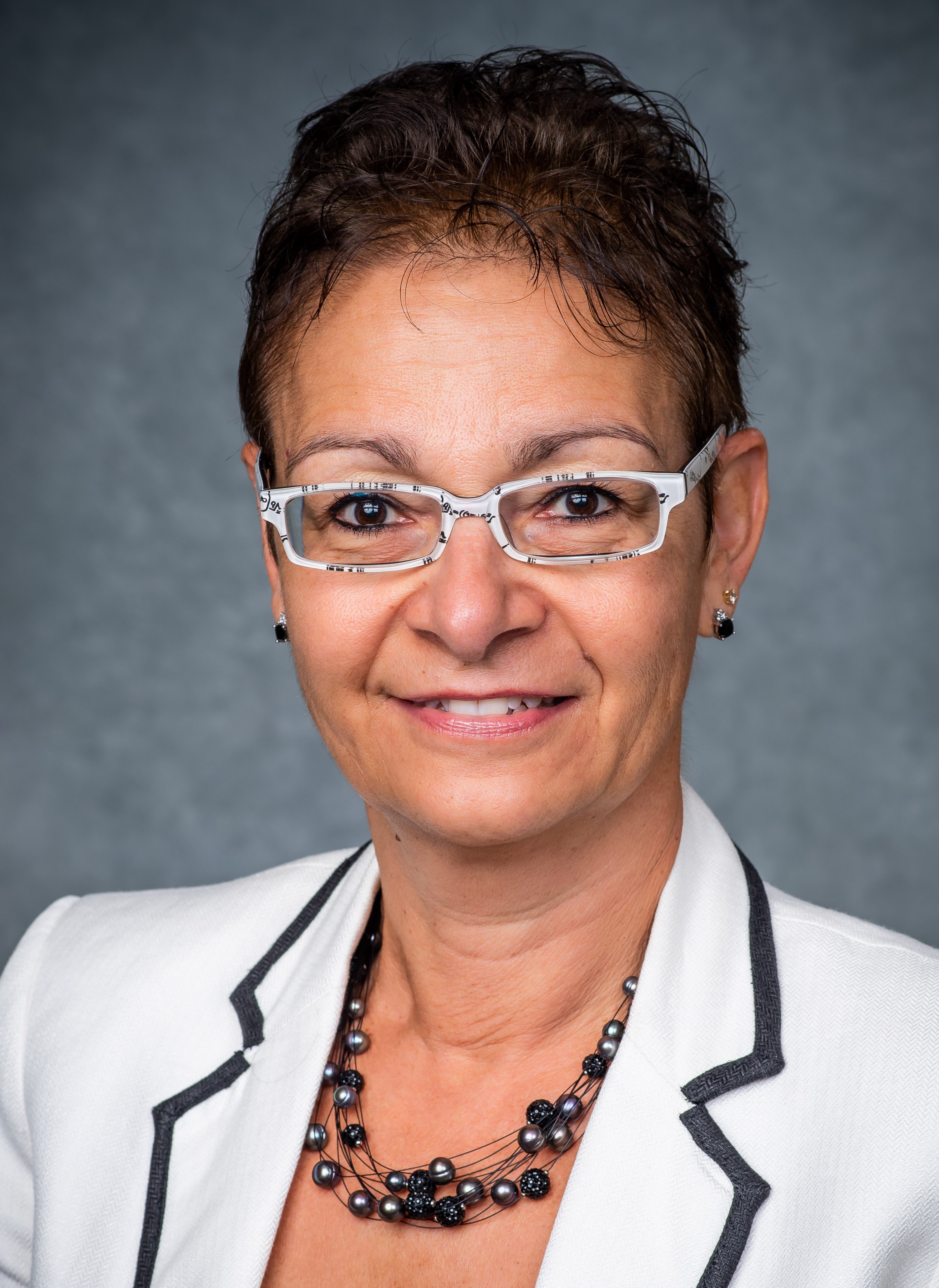
Dr. Jason Hipp
Chair, Division of Computational Pathology & AI, Laboratory Medicine & Pathology at Mayo Clinic , Director, Digital Innovation, Mayo Clinic Labs, USA
Jason Hipp, MD/PhD is a board certified pathologist and physician-scientist with expertise is in Digital Pathology and developing pathology informatics tools for personalized medicine and companion diagnostics.
•Diverse research background, including over 47 publications on a variety of biomedical and technological issues, with a common theme of developing innovative approaches and methodologies for advancing regenerative medicine and cancer diagnostics.
•Experienced in leveraging clinical training and consulting experiences to build multi-disciplinary teams to analyze and solve various technological, biological, and medical challenges.
•Served as an invited speaker across the scientific community and industry to communicate complex biomedical technologies to diverse audiences.
Editor
Prof. Cristina Magi-Galluzzi
President Genitourinary Pathology Society, Director of Anatomic Pathology, University of Alabama at Birmingham, Birmingham, Alabama, USA
Cristina Magi-Galluzzi, MD, PhD, was born in Ancona, Italy. From 2004 until 2018, she served as Director of Genitourinary Pathology in the Department of Pathology at Cleveland Clinic. She was also Professor of Pathology at the Lerner College of Medicine at Case Western Reserve University.
She is board-certified in anatomic pathology with many clinical interests, including benign and pre-neoplastic (HGPIN) conditions of the prostate gland, prostate cancer, bladder and kidney cancer.
Dr. Magi-Galluzzi has been invited to lecture at national and international medical meetings and has authored more than 80 scientific papers on genitourinary topics, including prostate cancer, neoadjuvant treatment for prostate cancer, incidence of HGPIN and subsequent cancer risk. She has authored or co-authored 6 books.
Editor
Professor. Nicole D. Riddle
Professor
Nicole D.?Riddle, MD, MSHI, FCAP is a Professor in the Department of Pathology and Cell Biology at the University of South Florida Morsani College of Medicine, where she also serves as Laboratory Quality Officer at Tampa General Hospital through Ruffolo, Hooper & Associates. Board?certified in anatomic and clinical pathology, Dr.?Riddle brings subspecialty expertise in dermatopathology, gastrointestinal/hepatobiliary pathology, neuropathology, and bone and soft tissue pathology. She is deeply engaged in medical education as Associate Residency Program Director and Research Liaison, mentoring trainees and fostering scholarly activity. A recognized leader in digital pathology, laboratory quality improvement, and professional advocacy, she is active in national and state pathology organizations, advancing innovation and excellence in diagnostic practice.

Editor
Professor. Jun Fukuoka
Professor & Chair, Department of Pathology, Nagasaki University Graduate School of Biomedical Sciences, Chair, Department of Pathology, Kameda Medical Center, President, The Japanese Society of Digital Pathology, Japan
Prof. Jun Fukuoka is a Japanese pathologist whose expertise lies in the field of pulmonary disease and digital pathology. He has graduated from Shiga University of Medical Science in 1995 and studied lung pathology and molecular research at Mayo Clinic, AFIP, and NIH.
He was promoted to full professor in 2009 in Toyama University and relocated as a department chair and professor at Nagasaki University in 2012. From 2017, he started cross-appointment with one of the largest hospitals, Kameda Medical Center, in Japan.
He has launched two start-up companies during his career in the field of pathology. He is also a good teacher and has developed more than 30 pathologists worldwide and has mentored more than 100 undergraduate students/residents on either presenting research works in international meetings or publishing in scientific journals.
He has started research in digital pathology since 2010 and has developed a fully digitized network to share diagnostic process and education among several large institutes. Through the network, virtual large laboratory among several institutes has been created. His young team is enthusiastic to develop the workflow of human-AI collaboration.
He currently serves as a president at Japanese Society of Digital Pathology (JSDP) and a director of the board at DPA.

Editor
Professor. Frank Staal
Full professor of Molecular Stem Cell biology at Leiden University School of Medicine (LUMC), co-director of the LUMC Flow Cytometry Core Facility (FCF), The Netherlands
Frank Staal is full professor of Molecular Stem Cell biology at Leiden University School of Medicine (LUMC). He is co-director of the LUMC Flow Cytometry Core Facility (FCF) and holds teaching positions at Delft University of Technology and Erasmus MC, Rotterdam, The Netherlands. He was a postdoctoral Fellow of the Royal Academy of Arts and Sciences, member of the Health Council that advises the Dutch Government (on neonatal screening) and coordinates two large EU H2020 consortia on gene therapy for immune disorders.
Editor
Professor. Lan Bo Chen
Professor of Pathology Emeritus, Harvard University, USA
Chen Lan-bo is a Taiwanese biotechnologist. He was a Professor of Pathology at Harvard Medical School between 1977 to present (Emeritus) and is the author of over 250 publications. He is also a member of Boston’s Dana-Farber Cancer Institute in the department of cancer and biology and an Academician of the Academia Sinica of Taiwan.

Editor
Professor. Hassan Aziz
Dean, Texas A&M University-Corpus Christi, USA
Dr. Hassan Aziz is Dean of the College of Nursing and Health Sciences at the Texas A&M University - Corpus Christi. He received his doctorate degree from the University of Southern Mississippi. Dr. Aziz is the President-Elect for the American Society for Clinical Laboratory Science (ASCLS). He is a Fellow of the Association of Clinical Scientists (ACS) and of the Institute of Higher Education at the University of Georgia (UGA). He is a certified Green Belt Six Sigma and TEDx speaker. Aziz has an extensive international experience in higher education, consulting and advisory work. He is an external examiner for several international academic programs and an adjunct faculty to a number of institutions. He is an active member of national and international professional and scientific societies and organizations. He represents ASCLS at the International Federation of Biomedical Laboratory Science (IFBLS) and he is a member of its Scientific Network of Experts. He founded the Qatar Advisory Board of the American Society for Clinical Pathology (ASCP) in 2013 and is a mentor and a consultant for the ASCP Global Outreach Program. He is a VIP mentor to new program directors through the National Accrediting Agency for Clinical Laboratory Science (NAACLS) as well as a site visitor for clinical laboratory programs. In addition to numerous international conference presentations and guest speaking engagements, Dr. Aziz has over 75 peer-reviewed publications. In 2019, he was the recipient of the prestigious ASCP Lifetime Achievement Award and the Distinguished Author Award by ASCLS. He is a consulting editor for Clinical Laboratory Science (CLS) published by ASCLS, and on the Development Board of Critical Values published by ASCP.

Editor
Prof. Abdulaziz Abdulla Al-Ajlan
Chairman of the Department of Pathology and Laboratory Medicine, King Abdulaziz Medical City, Riyadh, Kingdom of Saudi Arabia
Professor. Abdulaziz AlAjlan, Consultant Dermatopathologist, obtained his Bachelor Degree in Medicine from King Saud University, College of Medicine, Riyadh in 1989. He completed his fellowship in Pathology at King Saud University in 1997. HE obtained his FRCPath from Royal College of Pathologists, UK in 1998. He had a specialty training fellowship in Dermatopathology from Ackerman Academy, USA in 2000.
Dr. AlAjlan has been instrumental in innovations in Digital Pathology including enhancement expertise as well as Research & Development. He published long list of scientific papers and books.
Editor
Professor. Kenneth A. Iczkowski, MD
Urologic (GU) pathologist for Froedtert Hospital/Medical College of Wisconsin, USA
Professor. Iczkowski is the urologic (GU) pathologist for Froedtert & the Medical College of Wisconsin; he also covers some general surgical pathology and heart biopsy specimens. He has ongoing research in prostate pathology and teaches residents and students. Dr. Iczkowski is the President-Elect of the International Society of Urologic Pathology (term 2019-2021) and is co-chairman of the Prostate Cancer Grading Conference, Nice, France, Sept. 12, 2019

Editor
Professor. Kamisha L Johnson-Davis
Clinical Professor, Department of Pathology, University of Utah school of medicine,
Medical Director, Department of Clinical Toxicology, ARUP Laboratories., USA
Dr. Johnson-Davis is a Professor (Clinical) at the University of Utah in the Department of Pathology and a Medical Director for Clinical Toxicology at ARUP Laboratories. She received her B.S. degree in Biochemistry from the University of California, Riverside and her Ph.D. in Pharmacology from the University of Utah. She was a postdoctoral research associate at the Center for Human Toxicology and she completed a postdoctoral fellowship in clinical chemistry at the University of Utah, Department of Pathology. Dr. Johnson-Davis is board certified by the American Board of Clinical Chemistry in Clinical Chemistry in Clinical Chemistry and Toxicological Chemistry and she is the Director for the Clinical Chemistry Fellowship Program at the University of Utah.
Editor
Professor. Pamela J Lein
Department Chair-Molecular Biosciences, Professor of Neurotoxicology, School of Veterinary Medicine, University of California, Davis, USA
Dr. Pamela Lein is a Professor of Neurotoxicology, Director of the CounterACT Center of Excellence, and Director of the NIEHS T32 graduate training program in environmental health sciences. She has been a full-time faculty member of the School of Veterinary Medicine since 2009. Dr. Lein’s research interests are neurotoxicology, neuropharmacology, and neuroimmunology.

Editor
Professor. Pritish Bhattacharyya
Director of Hematopathology and Molecular Pathology, Hackensack Meridian School of Medicine, Professor of Pathology, Rutgers New Jersey Medical School, USA
Pritish Bhattacharyya currently works at the Department of Pathology, Hackensack University Medical Center. Pritish does research in Lymphoma & Leukemias and molecular diagnostic applications. Their most recent publication is 'Pediatric Hodgkin lymphoma- biomarkers, drugs, and clinical trials for translational science and medicine'.
Editor
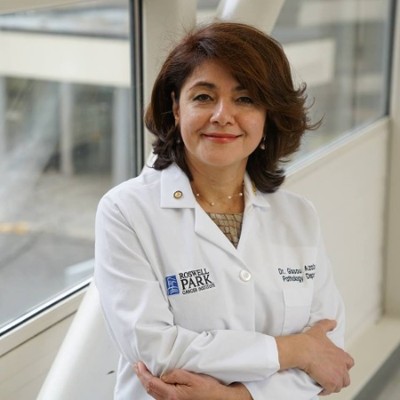
Prof. Gissou Azabdaftari
Professor of Pathology and Laboratory Medicine, University of Rochester, Rochester, NY 14627, USA
Dr. Gissou Azabdaftari is a highly respected academic pathologist and educator, known for her expertise in cytopathology, surgical pathology, and oncologic diagnostics. With over two decades of clinical and academic experience, she has held leadership roles in pathology education and fellowship training, and has contributed significantly to the advancement of diagnostic precision in cancer care.
Dr. Azabdaftari is Chief of Genitourinary Pathology and Assistant Professor of Oncology at Roswell Park Cancer Institute. She has received MD degree from University of Bologna, Bologna, Italy. She is Board Certified in Anatomic Pathology, American Board of Cytopathology. She has received 2004- Alumni Association, Lahey Clinic Medical Center Awards, "For Outstanding Academic Achievements in the Specialty of Anatomic Pathology," presented at Postgraduate Recognition Day, Lahey Clinic Medical Center, Burlington, MA, 2003 - Alumni Association, Lahey Clinic Medical Center Awards, "For Outstanding Academic Achievements in the Specialty of Anatomic Pathology," presented at Postgraduate Recognition Day, Lahey Clinic Medical Center, Burlington, MA.
Editor
Dr. Ying Zou, MD, PHD, FACMG
Director of Cancer Genetics Lab, Co-director of Cytogenetics and Genomics Lab, Molecular Diagnostics Lab, Johns Hopkins Genomics Director, Cytogenetics Research Core, Associate Professor of Pathology, Johns Hopkins University School of Medicine, USA
Dr. Ying Zou is an Associate Professor of Pathology and Genetic Medicine at the Johns Hopkins University School of Medicine. Her areas of clinical expertise include the diagnosis of genetic abnormalities in patients with cancer or congenital diseases. Dr. Zou serves as Co-Director of the Cytogenetics and Cytogenomics Laboratory at The Johns Hopkins Hospital, Director of the Cancer Cytogenetics Laboratory, Director of Cytogenomic Research Core, and Associate Director of Molecular Diagnostics Laboratory, Johns Hopkins Genomics.
Dr. Zou is an expert in cytogenetics and clinical molecular genetics. She is interested in the development of clinical cytogenomic and molecular genetics laboratory tests that can be used in the clinical setting for better patient care, personalized medicine, as well as for discovering disease variants and novel cancer biomarkers. She has been involved in multiple clinical trials. Her research interests are centered on two main projects on the topic of (a) understanding and interpretation of genomic data in human diseases and in cancer development and formation, and (b) telomere biology in human aging and cancer. Dr. Zou has published more than 70 peer-reviewed journal articles.
As a member of the American Board of Medical Genetics and Genomics, certified in Clinical Cytogenetics and Clinical Molecular Genetics, Dr. Zou is active in the training of residents and fellows in several training programs, as well as students for clinical cytogenetics, molecular genetics, pharmaco-genomics and personalized medicine. She was recognized with The Best Attending Pathologist Teacher in Clinical Pathology by University of Maryland in 2017-2018. She is an active committee member of professional societies such as American College of Medical Genetics and Genomics (ACMG), Association for Molecular Pathology (AMP), College of American Pathologists (CAP), Cancer Genomics Consortium (CGC), and Association of Genetic Technologists (AGT), etc., as well as an editor, board member, and associate editor for several professorial journals.

Editor
Dr. Arturo R. Mendoza
Women’s Pathology, Molecular Pathology And Digital Pathology Pathologist at Pacifc Rim Pathology, USA
Dr. Arturo Mendoza joined Pacific Rim Pathology in 1990 after completing a research fellowship in pathology at Brigham and Women’s Hospital, Harvard Medical School, from 1988-1990. He graduated with his M.D. from Loma Linda University in 1983 and completed his pathology residency at the University Medical Center at UCSD from 1983-1987. Dr. Mendoza has been board certified in Anatomic and Clinical Pathology since 1988.
Dr. Mendoza has served as the Medical Director of Pacific Rim Pathology since 1990. His specialties include Women’s Pathology and Molecular Pathology.
In addition to his role as Pacific Rim, Dr. Mendoza has been the Medical Director of Sharp Memorial Hospital since 2010 and the director of Pathology at Sharp Mary Birch Hospital for Women since 1992. He is also currently a member of the Digital Pathology Association, the International Society of Gynecologic Pathologists, and also serves as the CAP Southwest California Division Commissioner.

Editor
Dr. Masood A. Shammas
Translational Cancer Research, Molecular Pathology Lead Scientist, Department of Medical Oncology, Harvard (Dana Farber) Cancer Institute, Harvard University, USA
Dr. Masood A. Shammas currently working as a Lead Scientist at Dana Farber Cancer Institute, Boston, USA.
Understanding mechanisms of genomic instability, clonal evolution and oncogenesis. Drug development: Identification of novel targets and then small molecules to target genomic evolution, which is associated with cancer progression and development of resistance to treatment.
Developing novel diagnostic/prognostic tools, functional assays to monitor genomic instability/evolution and methods to identify potential carcinogens, Targeted/antibody-based cancer therapeutics, Environmental/Genomic Toxicology (We identify risks/compliance issues, develop methods for risk assessment and attempt to increase public awareness).

Editor
Dr. Yi Huang
Instructor in the Cancer Biology Division of the Department of Radiation Oncology., Washington University School of Medicine, St. Louis, USA
Yi Huang is an Instructor in the Cancer Biology Division of the Department of Radiation Oncology. He completed his MS at LSU Health Science Center in 2016, studying statistical learning techniques in clinical trials. He is now a PhD student advised by Dr. Travis Loux at Saint Louis University, focusing on statistical learning and causal inference. Before becoming a faculty, he was senior statistician at Department of Radiation Oncology, where he developed an interest in clinical trials. As the leading statistician, he provides support of clinical trial design, retrospective clinical projects, non-clinical physics and other related projects, preclinical studies, and other translational studies. He also work closely with members of the Clinical, Physics, and Biology Divisions to provide critical support for developing and ongoing grants. Besides that, Yi participates in the training and mentoring of graduate students and postdoctoral researchers, teaching programs, journal clubs and related activities in the clinical, cancer biology and physics division.

Editor
Dr. Vasiliki E. Kalodimou
Molecular Genetics, Immunology, Stem Cells, Regenerative Medicine Director of the Flow Cytometry, Department of Research and Regenerative Medicine, IASO Maternity-Pediatric and Research Hospital, Athens, Greece
Vasiliki E. Kalodimou is Director of the Flow Cytometry-Research and Regenerative Medicine Department at IASO Maternity-Pediatric and Research Hospital in Athens, Greece. Received her bachelor’s degree in Human Physiology and her master’s degree in Human Molecular Genetics from the Imperial College at the University of Medicine in London, UK. She completed her PhD at the University of Medicine in Athens, Greece, with an emphasis on stem cells. Since 2006, Dr. Kalodimou has studied and working with stem cells in every day practice and their applications in regenerative medicine and Flow Cytometry. Also is working in the area of human genetics. She is a member of two subsections of the AABB Cellular Therapies Section, an Associate Leader at AABB CT Subsection: CT Product Manufacturing and Testing, an AABB assessor and her biography haw been included in the ‘Who is Who in the World’ (Marquis) - 2014.
Editor
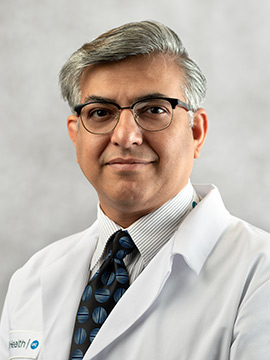
Dr. Vikas Mehta
Director Surgical Pathology, Department of Pathology, UI Health - University of Illinois Hospital & Health Sciences System, USA
Dr. Vikas Mehta practices in the Division of Anatomic Pathology at UI Health. Dr. Mehta's areas of expertise include genitourinary pathology, gynecologic pathology, and oncologic surgical pathology. His primary role is to establish accurate diagnoses and guide treatment decisions by incorporating the latest molecular testing assays. His research interests include understanding the molecular and genetic mechanisms of germ cell tumors of testis, in addition to renal cell carcinoma.
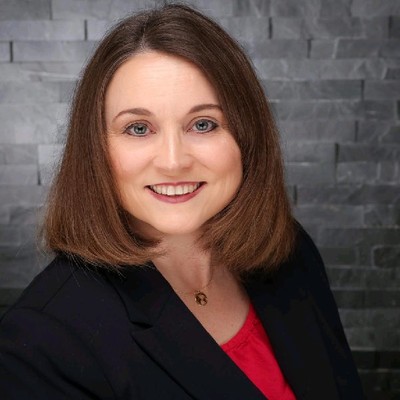
Editor
Dr. Kathrina Alexander
Chief of Pathology and Laboratory Medicine Services, Veterans Health System of the Ozarks, USA
Dynamic and innovative healthcare service professional, experienced in Diagnostic Pathology, Hematopathology and applied Computational methods in Pathology. Vibrant and passionate, highly skilled in Molecular Medicine, Hematopathology, Healthcare Information Technology (HIT), Laboratory Medicine, Digital Pathology with specialty area expertise in Immuno-Oncology.
Editor
Dr. Chris Bradley
Pathology Manager at Wisconsin Diagnostic Laboratory
Dr. Chris Bradley is a medical laboratory manager and director (DLM / MBA) with over 25 years of experience and a mixed anatomic and clinical background. He is specialized in anatomic pathology management and outreach. He focused on workflow development and LIS integration with an emphasis on Lean philosophy and methods.
Editor
Dr. Nicholas Lancia
Piedmont Walton Hospital, USA
Dr. Nicholas Lancia is a pathologist in Saint Petersburg, Florida and is affiliated with Piedmont Walton Hospital. He received his medical degree from Northeast Ohio Medical University and has been in practice between 11-20 years. Experienced GI Pathologist with a demonstrated history of working in the Hospital & Health Care industry. Multiple years of experience working as a Medical Director at various community hospitals and military medical facilities. Skilled in Laboratory Safety, Clinical Laboratory Management and cQI, and General Anatomic Pathology.
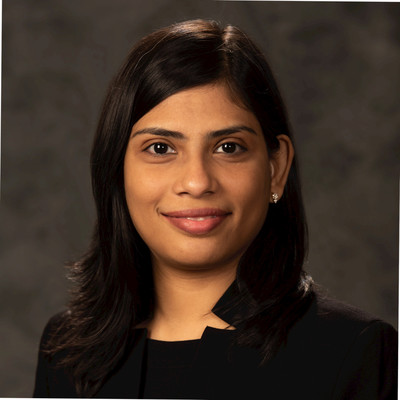
Editor
Dr. Rajeswari Jayakumar
Assistant Professor of Pathology, Virginia Commonwealth University, USA
Rajeswari Jayakumar, MD is currently an Assistant professor of Hematopathology at Virginia Commonwealth University.
Dr. Jayakumar graduated from Chengalpattu Medical College and completed a specialty training in laboratory Medicine (MD) at All India Institute of Medical Sciences in India. She practiced in India until she moved to United States to pursue Residency in Anatomic and Clinical Pathology. She completed her residency from SUNY Downstate Medical Center in Brooklyn, New York. During her residency, she also served as Chief Resident for a year. She then received fellowship training in Hematopathology from the Johns Hopkins University School of Medicine.
Her clinical and research interests are benign and malignant Hematopathology with a special interest in Flow cytometry. She loves teaching and working with medical students, residents and fellows.
Editor
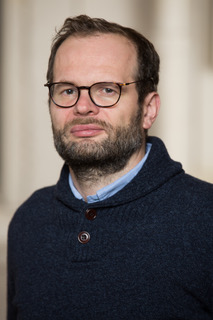
Dr. Bartosz Grzywacz
Assistant Professor, University of Minnesota, USA
Dr. Grzywacz is a hematopathologist whose research interests include the development, normal function, and diseases involving natural killer (NK) cells as well as their therapeutic potential. NK cells are specialized lymphocytes of the innate immune system that possess some of the cell memory capabilities characteristic of cells found in the adaptive immune system. They originate in the bone marrow and lymph nodes and are important effector cells for anti-tumor immunity.Grzywacz was part of a team that developed an in-vitro system for producing NK cells from hematopoietic stem cells and human embryonic stem cells. NK cells produced through this process bore biomarkers associated with potent cell-killing activity and are equipped to attack and clear tumor cells. Grzywacz's research with Michael Verneris, Jeffrey Miller and others on the development of NK cells using an in-vitro system revealed that these cells may be derived from myeloid developmental pathway. Some human CD34+ hematopoietic stem cells develop into NK cells when stimulated by the several cytokines including interleukin-7, interleukin-15, and stem cell factor. Grzywacz and his colleagues were able to define the conditions under which myeloid precursor cells tend to produce NK cells and found that NK cells produced through this process possess high levels of cytotoxicity. More recently investigators found that some of the cells thought to be NK cell precursors that failed to differentiate into mature NK cells constitute a novel innate lymphoid cell type.Research interest in NK-cell origin, function and potential enhancement of NK cells for tumor immunotherapy is part of a wave of interest in immunotherapy based on significant advances in the field in the past decade. Grzywacz plans to renew his studies of NK cells from the point of view of pathology in three ways: NK-cell use in immunotherapy; the role of NK cells in cancers other than hematologic malignancies; and lymphoid malignancies that originate from NK cells including aggressive neoplasms associated with Epstein-Barr virus infection.
Editor
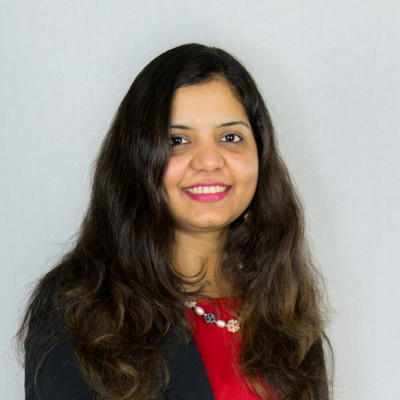
Dr. Pallavi A. Patil
Physician, Baylor University Medical Center At Dallas, USA
Dr. Patil has trained at various premier institutions of international repute including the Cleveland Clinic, Brown University and Yale University. Dr. Patil’s research contributions to medicine range over a large spectrum of diseases with a focus on study of immune microenvironment of tumors for advances in immune based therapies. Dr. Patil’s study of immune microenvironment encompasses tumors of the stomach, gallbladder, esophagus, endometrium, and prostate. Dr. Patil’s other research includes study of prognostic and predictive factors in tumors including prostate, thyroid, lung, breast, soft tissue, ovary, kidney, endometrium, liver and bile duct tumors. Dr. Patil has contributed educational articles to international publications and journals for education of practicing pathologists and laboratory personnel to improve patient care, some of her educational articles include pathological patterns of adverse effects of immune checkpoint inhibitors and immunity of the gut microbiome. Dr. Patil has conducted numerous reviews to determine the suitability and quality of research submitted to medical journals for publication. The review of research submitted to medical journals is by invitation to only top-level experts in their field, Dr. Patil’s review activity demonstrates Dr. Patil’s important standing in the field. On some of these journals Dr. Patil also serves on the editorial board that is a strong endorsement of her capability as a discerning researcher and demonstration of her reputation for excellence in the field of pathology. Dr. Pallavi Patil serves as member on committees of institutes for quality and safety, and wellness. Dr. Patil has been a selected to committees of pathology organizations with an international presence. Dr. Patil’s service and contributions include on committees of pathology organizations related to economic affairs, proficiency, and social media. Dr. Patil’s extensively contributed to mentoring and research and led to her being selected as an ASCP 40 Under Forty 2018 Honoree by the American Society of Clinical Pathology. Dr. Patil’s services to organized pathology, research, teaching and mentoring were recognized as outstanding contributions to the specialty of pathology, pathologists, and laboratory medicine, Dr. Patil was named CAP Resident of the Year 2018 by the College of American Pathologists in their annual meritorious awards. Dr. Patil was included in The PowerList 2018 published by the international magazine The Pathologist as the trailblazer in the field of pathology as the influential and inspirational professional in pathology and laboratory medicine. The American Society of Clinical Pathology recognized Dr. Patil’s contribution to promoting effective test utilization to reduce overuse of testing by naming her the ASCP Choosing Wisely Champions 2018. Dr. Patil’s publications in high impact and widely circulated journals is reflect peers’ recognition of the value of her research. Dr. Patil’s work has influenced the research and clinical practice of her peers and colleagues. According to Google Scholar Dr. Patil’s publications have been cited numerous times by researchers in various countries that demonstrates wide recognition and impact of Dr. Patil’s work and that it is relied upon in the field of clinical medicine. Dr. Patil’s research on investigating various diseases and medical conditions and improving medical diagnosis, prediction of tumor behavior and determination of best possible treatments holds significant implications for the medical field and the patients. Dr. Patil has achieved international recognition for her service and contributions to the field with her achievements featured in magazines of pathology organizations circulated to the membership and being awarded at the annual international meeting of pathology organizations. Dr. Patil is the founder and organizer of online Twitter journal clubs in gastrointestinal, liver and pancreas pathology at #GIPathJC.
Editor
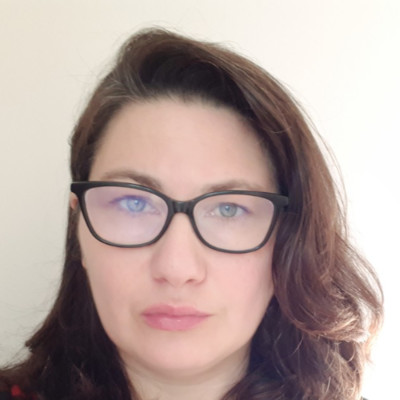
Dr. Francesca Trapani
Laboratory Head, Molecular Pathology Biomarker Group, Boehringer Ingelheim, Austria
Dr. Francesca Trapani, is a scientific Director/Group Leader, presso Boehringer Ingelheim. Whose research interests include the Molecular Pathology, Biomarker Development, and Pharmacology Translational Oncology Research. She served as a Staff Scientist-Pathologist in The University of Manchester.
Editor
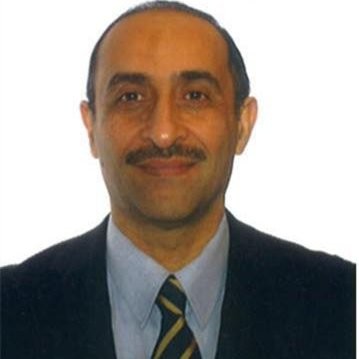
Dr. Muthafar Al-Haddawi
Scientific Director-Pathology, Bristol Myers Squibb, New Jersey, USA
Dr. Muthafar Al-Haddawi is a Scientific Director-Pathology at Bristol Myers Squibb. Dr. Muthafar Al-Haddawi skills Histopathology, Translational Medicine, CRO, ELISA, In Vivo, Animal Models, Infectious Diseases, Clinical Pathology, Veterinary, Immunology, Life Sciences, Cell Culture, Anatomic Pathology, Medical Devices, Drug Discovery, Molecular Biology, Lifesciences, Pathology, Histology, Animal Work, Oncology, Immunohistochemistry, Drug Development, Clinical Development, In Vitro.
Editor
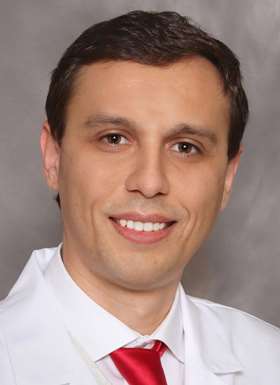
Dr. Andrii Puzyrenko
Department of Pathology, Medical College of Wisconsin, USA
Dr. Andrii Puzyrenko, MD, PhD is currently working as an Resident Physician in the Department of Pathology, Medical College of Wisconsin, USA. Dr. Andrii Puzyrenko finished his PhD program in Pathology and Pharmacology from Bogomolets National Medical University, Kyiv, Ukraine. He is the winner (1st place) of the National natural, technical and humanitarian sciences competition (conducted by the Ministry of Education and Science of Ukraine) (2008) and Laureate of the National Academy of Medical Sciences of Ukraine for significant advances in scientific activity (2007). He also appeared for Medical Board Examinations and got certified in various programs such as BLS, CPR, AED, First Aid, ACLS, PALS Certified (USA), etc.
Editor
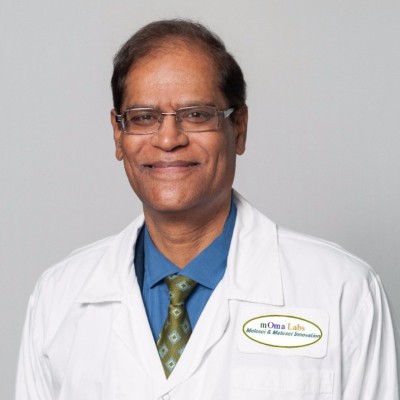
Dr. AKM Hai
Principal Scientist, Small Molecule Therapeutics, Director of Scientific Research & Innovation, MOLESCI & MATESCI INC, Canada
Dr. AKM Abdul Hai has years of experience as a Product Development Scientist involving API Synthesis and Analytical Method and Formulation. His extensive knowledge of processes of Biopharmaceutical drug products supported his career in Canada and abroad. To name a few, he worked as a Scientist in Molesci & Matesci Inc, Scarborough and CMI Cosmetic, Toronto. Dr. Hai completed PhD from Okayama University, Japan and acquired specialization in Organo-copper Chemistry from Chalmers University of Technology, Sweden. Dr.AKM is heavily involved in cannabis production development and oil extraction processes. He also obtained Post Graduate Diploma in Industrial Pharmaceutical and Biopharmaceutical Modern Technology.